
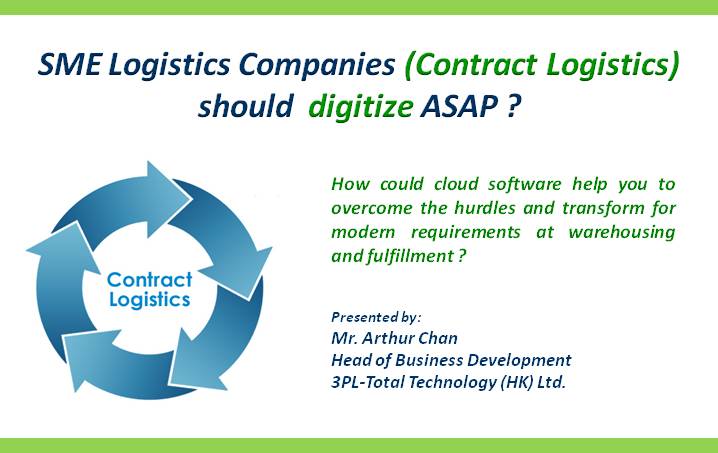
Starting and running a small or medium-sized business involves many moving parts. Operations and logistics play key roles in delivering products to customers efficiently and keeping costs under control. Here’s guidance for beginners and growing business owners to build strong, scalable operations.
- Define Clear Objectives: Set measurable goals related to delivery speed, cost per shipment, order accuracy, and customer satisfaction. Know what success looks like early on so you can align logistics with your broader business strategy. Based on industry reports, small businesses that establish clear logistics targets outperform those that don’t in both efficiency and customer trust. ([blog.usedora.com](https://blog.usedora.com/top-10-logistics-management-tips-every-small-business-owner-should-know/?utm_source=openai))
- Leverage Third-Party Logistics (3PL): If you lack infrastructure or staff, partnering with a 3PL provider can reduce costs, simplify shipping, and offer flexibility during growth phases. 3PLs help with transportation, storage, and fulfilling peak orders without huge upfront investment. ([the-entourage.com](https://www.the-entourage.com/te-blog/optimizing-logistics-operations-for-startup-success?utm_source=openai))
- Use Technology and Automation: Invest in tools like transportation management systems (TMS), inventory tracking software, and route optimization. Automating routine tasks reduces manual errors, improves order visibility, and frees you to focus on strategy. SMEs using digital tools tend to achieve higher order fulfilment rates and transparency. ([blog.usedora.com](https://blog.usedora.com/top-10-logistics-management-tips-every-small-business-owner-should-know/?utm_source=openai))
- Create a Baseline and Monitor KPIs: Before optimizing, measure your current performance through KPIs like on-time delivery (OTIF), lead time, dwell time, inventory turnover, and order accuracy. Establish baselines and regularly compare progress to find bottlenecks. ([think-logistics.co.uk](https://think-logistics.co.uk/supply-chain-optimisation-strategies-uk-smes-2026/?utm_source=openai))
- Localize Suppliers Where Possible: Using local or regional suppliers reduces transit time, lowers shipping costs, and diminishes risks from international supply chain disruptions. When imports are unavoidable, work with reliable freight forwarders to handle customs, shipping, and delays. ([godaddy.com](https://www.godaddy.com/resources/skills/supply-chain-management-tips-for-small-business?utm_source=openai))
- Standardize Processes and Prepare for Scale: Document standard operating procedures (SOPs) for order processing, warehousing, packing, and returns. Use scalable systems and plan for growth so that expanding operations doesn’t introduce chaos. An efficient ERP might become necessary once manual coordination starts costing time and consistency. ([almakom.ch](https://www.almakom.ch/en/post/smes-logistics-5-signs-that-it-is-time-to-adopt-an-efficient-erp?utm_source=openai))
- Establish Contingency Plans: Prepare for inevitable issues like delays, supplier failure, or transport disruptions. Maintain backup carrier agreements, buffer stock where it makes sense, and communication plans with customers when things go wrong. ([blog.usedora.com](https://blog.usedora.com/top-10-logistics-management-tips-every-small-business-owner-should-know/?utm_source=openai))
Whether you’re just starting or scaling up your business, building reliable operations and logistics foundations will help ensure smoother growth, happier customers, and more predictable costs.